As summer begins its gradual fade, many gardeners make the mistake of assuming most of the work is behind them. In reality, some of the most important gardening decisions happen during this transitional period. The actions you take now can determine not only the quality of your remaining harvests and blooms but also how successfully your garden performs through autumn and into next spring.
Late summer is a unique moment. Plants are mature, temperatures remain warm, weeds are still active, and many pests are looking for opportunities. At the same time, cooler nights begin to signal changes in plant growth patterns. Understanding the right late summer garden tasks can help you maximize productivity, reduce future problems, and create a stronger, healthier landscape.
Whether you’re growing vegetables, flowers, herbs, or a combination of all three, late summer offers opportunities that many gardeners overlook.
Why Late Summer Is a Critical Gardening Season
The end of summer isn’t simply the conclusion of one growing season. It serves as a bridge between active growth and seasonal preparation.
Many plants are stressed from prolonged heat, irregular watering, heavy production, or pest pressure. Without proper maintenance, these stresses can weaken plants and reduce yields during the final weeks of growth.
At the same time, soil conditions are often ideal for establishing new crops, improving garden beds, and setting the stage for future success. Gardeners who prioritize strategic late summer garden tasks often enjoy healthier plants, stronger fall harvests, and fewer springtime challenges.
Refresh Vegetable Gardens for Continued Harvests
By late summer, many vegetable crops begin to slow down. Leaves may yellow, production may decrease, and plants can appear tired after months of growth.
This is the perfect time to evaluate each crop honestly.
Remove plants that have finished producing. Old pea vines, spent lettuce, bolting spinach, and exhausted beans often consume valuable space while offering little return. Clearing these areas improves airflow and reduces disease pressure.
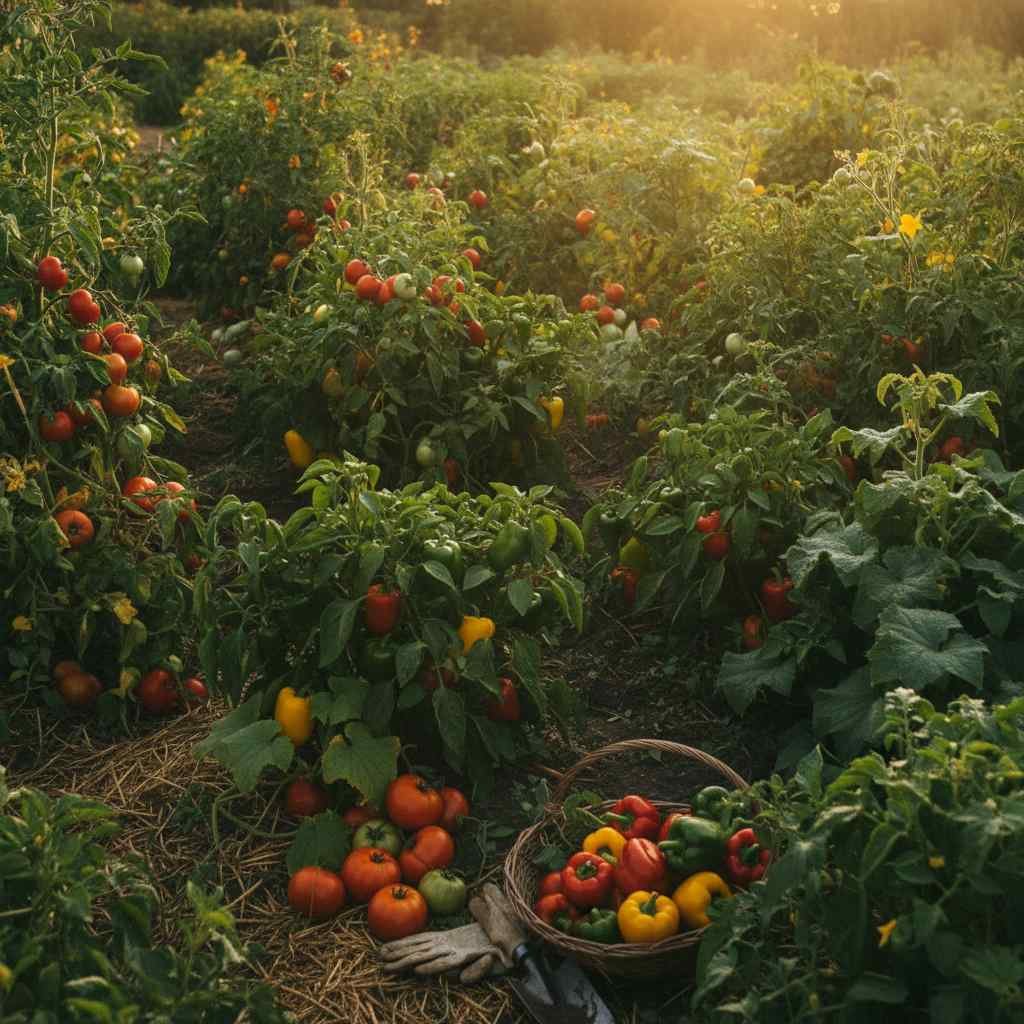
For productive crops such as tomatoes, peppers, cucumbers, and zucchini, focus on maintenance rather than replacement. Remove damaged foliage, harvest ripe produce regularly, and continue consistent watering practices.
Frequent harvesting encourages plants to keep producing rather than directing energy toward seed formation.
Focus on Tomato Maintenance
Tomatoes often dominate the late summer vegetable garden.
Trim lower leaves that show signs of disease or yellowing. Improving airflow around the plant can help reduce fungal issues during humid late-summer weather.
Support heavy branches as fruit continues to ripen. Broken stems at this stage can significantly reduce harvest potential.
Pay close attention to watering consistency. Extreme fluctuations between dry and wet conditions frequently cause cracking and blossom-end issues.
Plant for a Second Growing Season
One of the most rewarding late summer garden tasks is succession planting.
Many gardeners think planting ends in spring, but numerous vegetables thrive when started in late summer.
Fast-growing crops can take advantage of warm soil and cooler autumn temperatures. Depending on your climate, suitable options may include leafy greens, radishes, beets, turnips, carrots, kale, and various salad crops.
The soil remains warm enough for rapid germination, while decreasing temperatures often reduce pest pressure and improve flavor development.
Gardeners who embrace succession planting effectively extend their growing season and increase overall garden productivity.
Revitalize Flower Beds
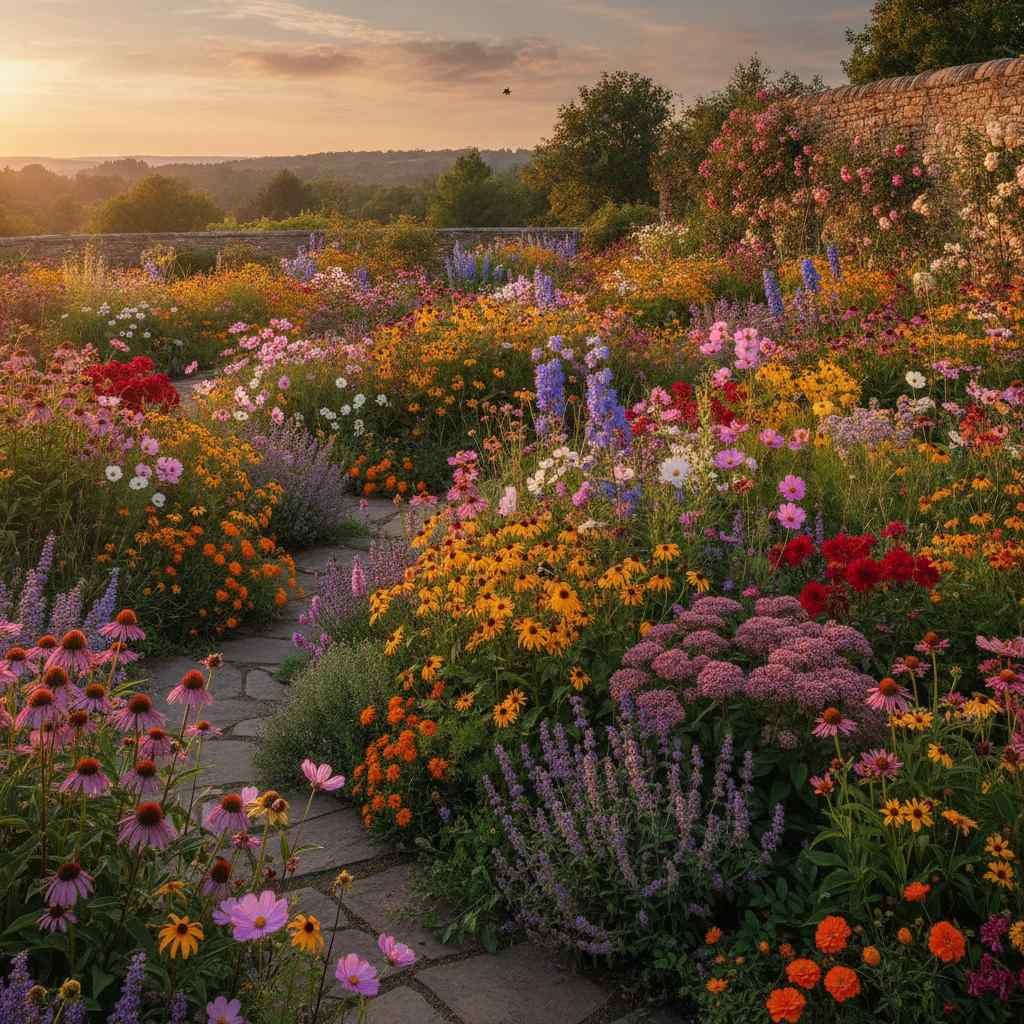
Flower gardens often look spectacular in early summer but can appear tired by August.
Deadheading remains one of the simplest ways to restore visual appeal and encourage ongoing flowering. Removing spent blooms prevents seed production and redirects energy toward new growth.
Inspect perennials for overcrowding, disease symptoms, or excessive decline caused by heat stress.
Selective pruning can stimulate fresh growth and improve garden appearance immediately. However, avoid severe pruning during periods of intense heat, as excessive stress can further weaken plants.
Many flowering annuals respond remarkably well to light trimming and supplemental feeding, often producing a fresh display for the remainder of the season.
Support Pollinator Activity
Late-season nectar sources are incredibly important for bees, butterflies, and other beneficial insects.
Maintain healthy flowering plants whenever possible. Species that bloom late into the season provide essential resources when fewer food sources are available.
A thriving pollinator population contributes directly to better fruit set, stronger biodiversity, and a healthier garden ecosystem overall.
Control Weeds Before They Set Seed
Few late summer garden tasks deliver longer-lasting benefits than aggressive weed management.
Many common weeds shift their energy toward seed production during this period. A single mature weed can produce hundreds or even thousands of seeds capable of creating future problems.
Removing weeds before seed formation dramatically reduces pressure next season.
Focus particularly on garden beds, pathways, fence lines, and neglected corners of the landscape where weeds often mature unnoticed.
Adding fresh mulch after weeding helps suppress new growth while conserving moisture during warm weather.
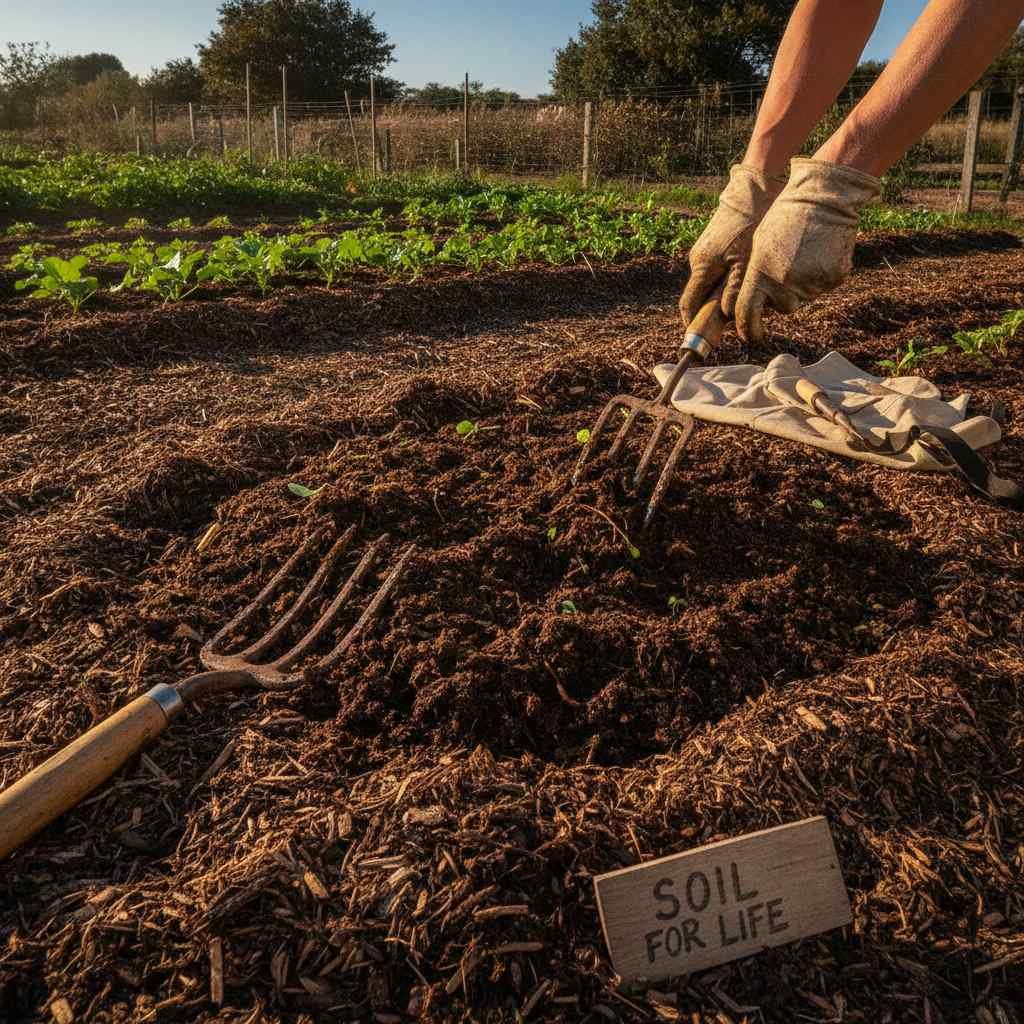
Evaluate and Improve Soil Health
Late summer provides an excellent opportunity to assess soil quality.
Months of active plant growth remove nutrients from garden beds. Heavy rainfall, irrigation, and harvests all contribute to nutrient depletion.
Adding compost is one of the most valuable investments you can make.
Organic matter improves soil structure, enhances moisture retention, supports beneficial microbes, and gradually supplies nutrients over time.
Rather than viewing compost as a seasonal amendment, successful gardeners treat it as an ongoing component of soil management.
Healthy soil remains one of the strongest predictors of long-term garden success.
Monitor Pests and Disease Closely
While spring often receives the most attention for pest prevention, late summer can present equally significant challenges.
Stressed plants are often more vulnerable to infestations and disease outbreaks.
Inspect leaves, stems, and developing fruit regularly. Early detection can prevent minor problems from becoming major setbacks.
Look for:
- Yellowing foliage
- Unusual spotting
- Wilting despite adequate moisture
- Chewed leaves
- Distorted growth
- Insect activity on stems or undersides of leaves
Prompt removal of affected material often reduces disease spread throughout the garden.
Good sanitation practices also become increasingly important as the season progresses.
Adjust Watering Strategies
Watering needs change as summer transitions toward autumn.
Although temperatures remain warm, shorter days and cooler nights often reduce overall water demand.
Many gardeners continue watering at midsummer levels, leading to unnecessarily wet soil conditions.
Instead, observe plants directly and monitor moisture levels before watering.
Deep, infrequent watering encourages stronger root systems and greater resilience compared with frequent shallow irrigation.
Mulch remains particularly valuable during this period because it moderates soil temperatures and helps conserve moisture.
Among all late summer garden tasks, refining your watering approach can produce surprisingly significant improvements in plant health.
Harvest Herbs for Maximum Flavor
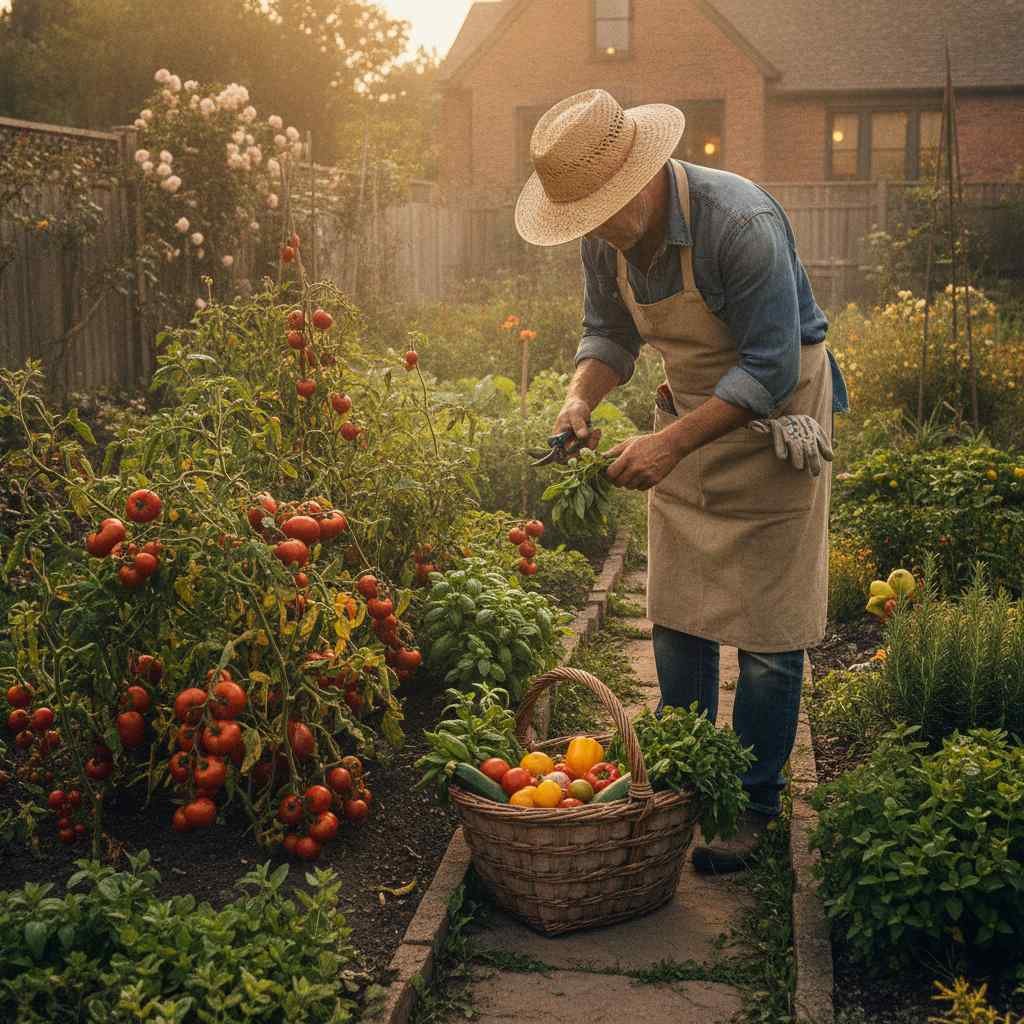
Late summer is often the ideal time to collect herbs before cooler weather arrives.
Many culinary herbs reach peak flavor and essential oil concentration during this stage of growth.
Harvest basil, oregano, thyme, rosemary, sage, and mint regularly to encourage continued production.
Excess harvests can be dried, frozen, or preserved for year-round use.
A concentrated herb harvest now often provides better flavor and quality than waiting until plants begin responding to cooler weather.
Prepare for Autumn Planting
Experienced gardeners understand that autumn gardening begins long before autumn arrives.
As beds become available, clean them thoroughly and prepare them for upcoming planting opportunities.
Remove debris, work in compost, and address drainage issues while conditions remain favorable.
Preparation completed now makes fall planting significantly easier and often leads to stronger establishment.
Late summer garden tasks focused on preparation save time and reduce stress during the busy seasonal transition ahead.
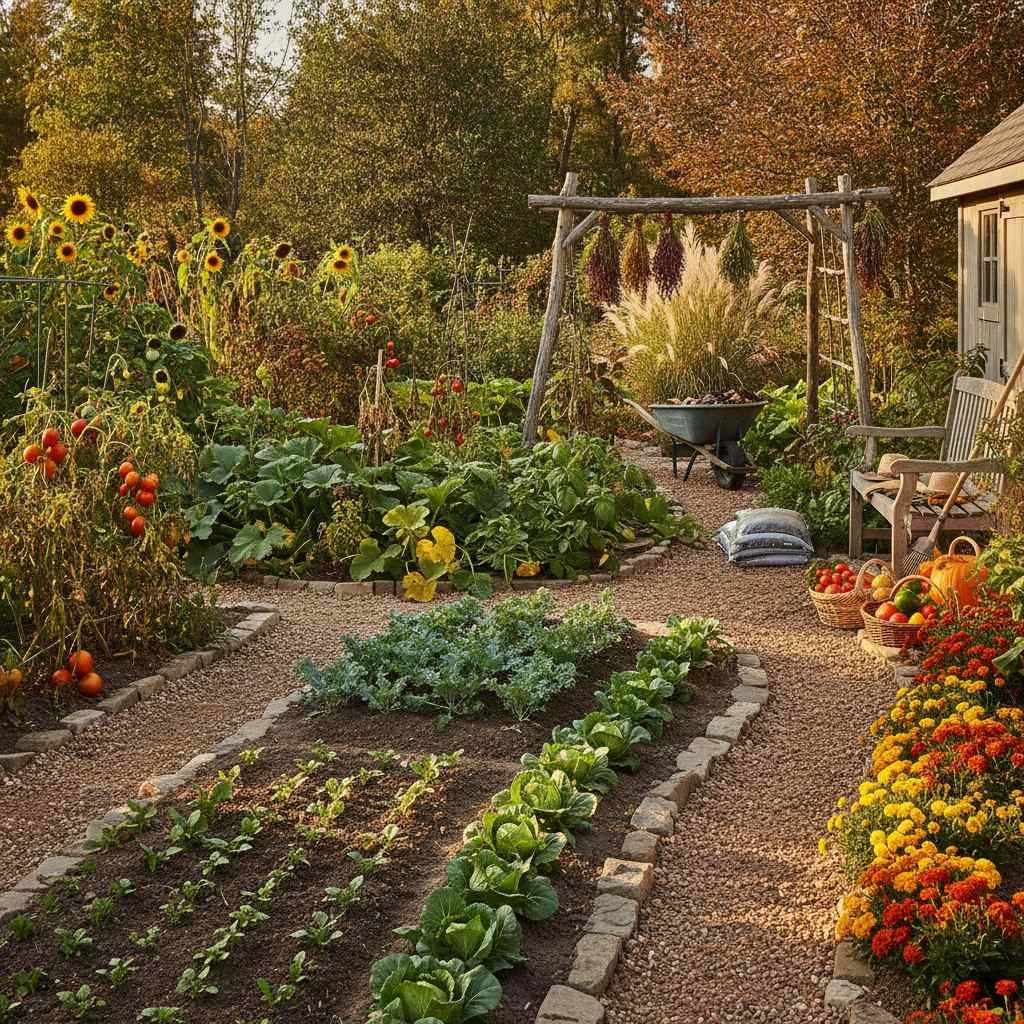
Start Planning Next Year’s Improvements
Some of the most valuable gardening work isn’t physical.
Late summer provides ideal conditions for observation and evaluation.
Take notes on:
- High-performing vegetable varieties
- Flower combinations that worked well
- Areas with drainage problems
- Persistent pest issues
- Irrigation challenges
- Empty spaces needing improvement
Accurate observations made while the season is fresh in memory are more useful than trying to remember details months later.
Professional growers and highly successful home gardeners alike rely on seasonal records to continually improve results year after year.
Protect Your Garden’s Momentum
Gardens rarely decline suddenly. More often, performance deteriorates gradually through small neglected issues.
A skipped harvest becomes overripe produce. A few weeds become hundreds of seedlings. Minor disease symptoms become widespread problems.
The most effective late summer garden tasks share a common characteristic: they preserve momentum.
Regular harvesting, soil improvement, weed control, pruning, watering adjustments, and careful observation all contribute to a garden that finishes the season strongly rather than simply limping across the finish line.
By embracing this often-overlooked gardening period, you create conditions for healthier plants today and greater success in the seasons ahead.